What Is a Winch-Out and When Does Your Vehicle Need One?
Getting a vehicle stuck can happen unexpectedly. A car can slide into a ditch, become trapped in mud, lose traction on soft ground, or get stuck in snow. In these situations, simply pressing the accelerator harder may not solve the problem.
This is where a winch-out can become useful.
A winch-out is a vehicle recovery service that uses a winch and appropriate recovery equipment to pull a stuck vehicle to a safer or more accessible position.
Understanding when a winch-out is appropriate can help drivers avoid making a difficult situation worse.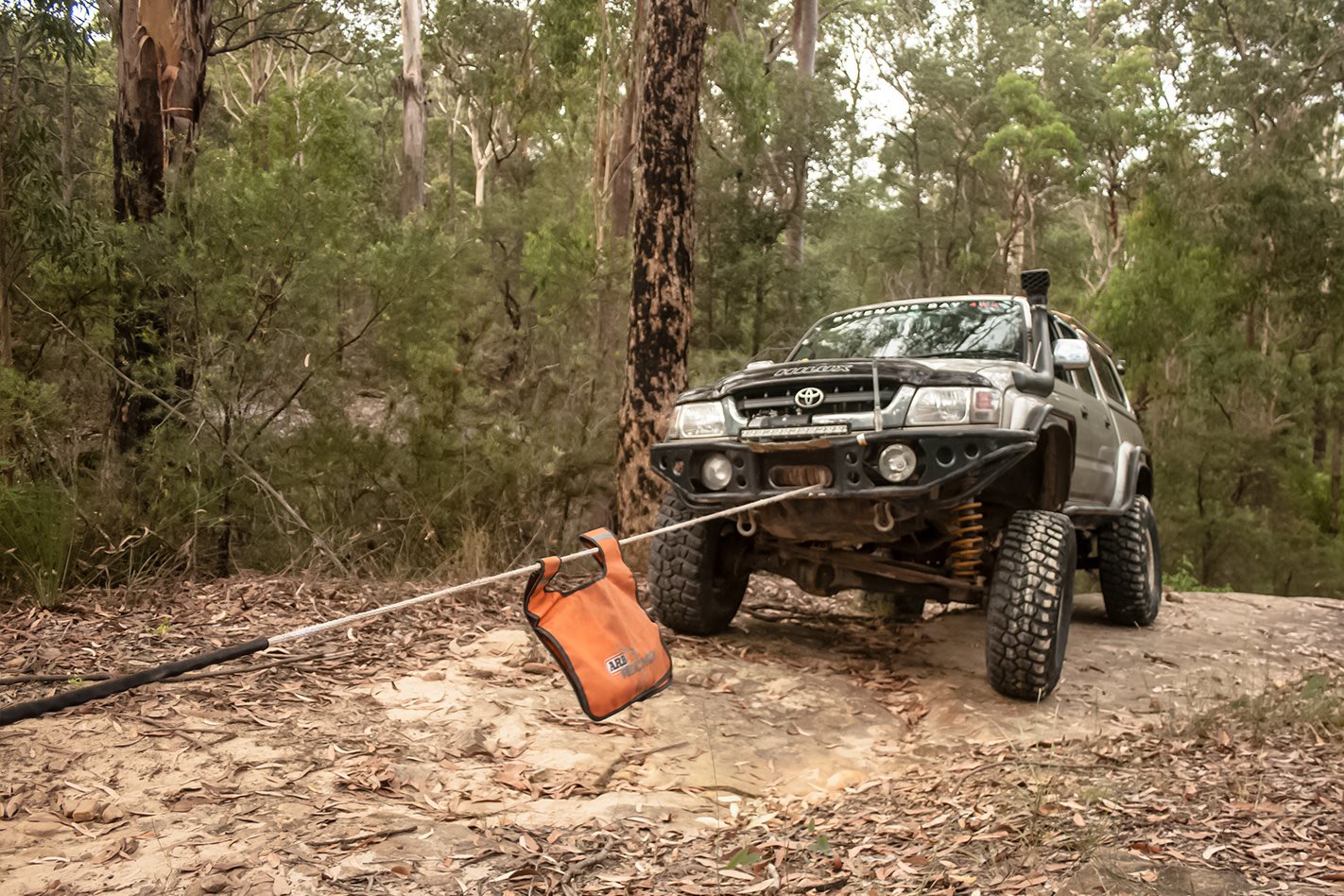
What Is a Winch-Out?
A winch-out is a type of vehicle recovery rather than ordinary towing.
Instead of simply transporting a vehicle from one location to another, a winch-out focuses on freeing a vehicle that is stuck.
The recovery equipment is connected to the vehicle using an appropriate attachment point. The winch then applies controlled pulling force to help move the vehicle out of the position where it is stuck.
The exact recovery method depends on the vehicle, terrain, location, and circumstances.
When Does a Vehicle Need a Winch-Out?
A winch-out may be appropriate when a vehicle cannot move under its own power because it has become stuck.
Common situations include:
- Getting stuck in mud
- Sliding into a ditch
- Becoming trapped in soft ground
- Getting stuck in snow
- Losing traction on uneven terrain
- Getting stuck on a difficult driveway
- A vehicle becoming partially off the roadway
- A vehicle being unable to climb out of a low area
The vehicle doesn't necessarily need to be damaged for a winch-out to be necessary.
Sometimes the problem is simply that the vehicle cannot regain enough traction to move.
Is a Winch-Out the Same as Towing?
No.
Towing generally involves transporting a vehicle, while a winch-out is primarily a recovery process used to free a stuck vehicle.
For example, a vehicle with a mechanical failure sitting safely on a paved road may simply need towing.
A vehicle that has driven into a muddy area and cannot get back onto solid ground may require a winch-out first.
After the vehicle has been recovered, it may or may not require additional towing.
What Should You Do When Your Vehicle Gets Stuck?
The first thing to do is stop making the situation worse.
If your tires are spinning without moving the vehicle, stop accelerating and assess the situation.
Repeatedly spinning the wheels can dig them deeper into mud, sand, snow, or soft ground.
Instead:
- Put the vehicle in a safe position if possible.
- Turn on your hazard lights when appropriate.
- Check your surroundings.
- Determine whether the vehicle is partially off the roadway.
- Avoid standing in unsafe traffic areas.
- Assess whether the vehicle can move without causing additional problems.
- Request professional recovery if the vehicle cannot safely be freed.
Why Shouldn't You Keep Spinning the Tires?
When a vehicle loses traction, pressing the accelerator may seem like the obvious solution.
But spinning tires can sometimes dig deeper into soft ground and make recovery more difficult.
The vehicle may sink further, especially in mud or loose soil.
In some situations, continued wheel spinning can also place unnecessary stress on tires and drivetrain components.
If the vehicle isn't gaining traction, stopping and evaluating the situation is often more useful than continuing to accelerate.
Can You Get a Vehicle Out of Mud Yourself?
Sometimes, but not always.
A vehicle may be recoverable using appropriate traction aids or other equipment if the situation is minor and the driver has the necessary knowledge and tools.
However, a vehicle that is deeply stuck, positioned at an angle, or partially in a ditch presents a different situation.
If you aren't confident that you can safely recover the vehicle, professional assistance is the safer option.
Improvised recovery methods can cause additional vehicle damage or create hazards for people nearby.
What If Your Vehicle Slides Into a Ditch?
A ditch recovery can require more than ordinary towing.
The vehicle's position and the angle at which it entered the ditch can determine how it needs to be recovered.
Before attempting anything, make sure everyone is in a safe location.
Don't attempt to pull the vehicle out with another vehicle unless you have the appropriate equipment, attachment points, and knowledge to perform the recovery safely.
A professional winch-out provider can evaluate the position and determine the appropriate recovery approach.
What If You Get Stuck in Snow?
Snow can create traction problems even when a vehicle isn't mechanically damaged.
A vehicle may become stuck because its tires cannot generate enough grip to move forward or backward.
If the wheels are spinning, continuing to accelerate may cause the vehicle to dig itself deeper into the snow.
If basic traction methods don't work and the vehicle remains stuck, a professional recovery service may be necessary.
What If the Vehicle Is Partially Off the Road?
A vehicle that has left the roadway can create a particularly important safety concern.
Don't focus only on getting the vehicle moving; consider the safety of everyone around it.
Turn on hazard lights and stay aware of passing traffic.
If the vehicle is in a dangerous position or cannot be safely moved, professional recovery may be appropriate.
The recovery provider should know that the vehicle is partially off the road so the situation can be evaluated correctly.
Does Vehicle Size Matter During Recovery?
Yes.
The size and weight of a vehicle can affect the equipment and recovery method required.
A small passenger car and a larger commercial vehicle can present very different recovery requirements.
Factors can include:
- Vehicle weight
- Vehicle dimensions
- Ground conditions
- Vehicle position
- Available access
- Degree of entrapment
- Whether the vehicle is damaged
Always provide accurate information about the vehicle when requesting recovery assistance.
Can a Winch-Out Damage Your Vehicle?
Any vehicle recovery operation needs to be performed carefully.
The appropriate equipment, attachment points, pulling direction, and recovery method all matter.
Using the wrong attachment point or inappropriate equipment can potentially damage vehicle components.
This is one reason professional recovery is preferable when the situation is beyond a driver's experience or available equipment.
When Does a Stuck Vehicle Need Towing Instead?
A vehicle may need towing after or instead of a winch-out.
For example, towing may be appropriate when:
- The vehicle has mechanical damage
- The vehicle cannot start
- The vehicle has damaged wheels
- The vehicle has collision damage
- The vehicle remains unsafe to drive after recovery
- The vehicle needs transportation to a repair facility
A winch-out gets the vehicle unstuck; towing transports the vehicle when it cannot safely continue on its own.
In some situations, both services may be necessary.
What Information Should You Give the Recovery Provider?
When requesting a winch-out, describe the situation as accurately as possible.
Provide:
- Your exact location
- Vehicle make and model
- Approximate vehicle size
- Where the vehicle is stuck
- Whether the vehicle starts
- Whether the wheels can move
- Whether the vehicle is damaged
- Whether the vehicle is partially in a ditch
- Whether other vehicles can access the location
- Any unusual circumstances around the vehicle
If you are stuck on private property, a narrow road, a driveway, or another restricted area, mention that as well.
Winch-Out Services in Burtonsville, MD
Drivers in Burtonsville, MD, and surrounding Maryland communities can encounter difficult roadside conditions where a standard tow may not be enough.
Ice Elvis Heavy & Light Duty Towing provides winch-out and roadside assistance services for vehicles that require professional recovery.
The company's services include winch-outs, light-duty towing, heavy-duty towing, commercial towing, accident towing, battery boosts, fuel delivery, vehicle lockouts, impound services, and 24/7 towing.
Ice Elvis Heavy & Light Duty Towing serves Burtonsville and surrounding areas, including Silver Spring, Beltsville, Greenbelt, Jessup, Lanham, Bowie, Hyattsville, Ellicott City, Baltimore, Washington, DC, and Maryland City.
When requesting a winch-out, provide the vehicle's location and explain how it became stuck. This information can help the provider understand the recovery situation.
For towing and vehicle recovery assistance, Ice Elvis Heavy & Light Duty Towing can be reached at (240) 639-5224.
How Can You Prevent Getting Stuck?
You can't eliminate every risk, but some precautions can help.
Before driving through unfamiliar terrain:
- Check road and weather conditions
- Make sure your tires are properly inflated
- Avoid areas that appear unstable
- Be cautious around mud and soft shoulders
- Avoid driving onto terrain your vehicle isn't designed to handle
- Keep appropriate emergency equipment in your vehicle
If road conditions are deteriorating, don't assume that a vehicle with four-wheel drive or all-wheel drive cannot become stuck.
Traction systems can help, but they don't eliminate the limitations created by deep mud, snow, soft ground, or difficult terrain.
Common Winch-Out Mistakes
Accelerating Repeatedly
Spinning the tires can make the vehicle sink deeper.
Using Improvised Recovery Equipment
Incorrect straps, chains, or attachment points can create serious risks.
Ignoring the Vehicle's Position
A vehicle at an unusual angle or partially in a ditch may require a carefully planned recovery.
Standing Too Close
Recovery equipment can be under significant tension. People should remain at a safe distance during recovery operations.
Assuming Any Tow Truck Can Handle the Situation
Different recovery situations can require different equipment. Explain the circumstances before assistance arrives.
Frequently Asked Questions
What is a winch-out?
A winch-out is a vehicle recovery service used to pull a stuck vehicle from mud, snow, ditches, soft ground, or other difficult positions.
Is a winch-out the same as towing?
No. A winch-out is primarily used to free a stuck vehicle, while towing generally involves transporting a vehicle from one location to another.
Can a winch-out be used for a vehicle in a ditch?
Yes, depending on the vehicle's position, terrain, accessibility, and recovery conditions. A professional recovery provider can determine the appropriate method.
Can a vehicle be damaged during a winch-out?
Improper recovery equipment or technique can potentially damage a vehicle. Professional recovery helps ensure that the appropriate equipment and recovery approach are considered.
Does Ice Elvis Heavy & Light Duty Towing provide winch-outs?
Yes. Winch-out service is one of the roadside assistance services provided by Ice Elvis Heavy & Light Duty Towing.
What areas does Ice Elvis Heavy & Light Duty Towing serve?
The company serves Burtonsville and surrounding areas, including Silver Spring, Beltsville, Greenbelt, Jessup, Lanham, Bowie, Hyattsville, Ellicott City, Baltimore, Washington, DC, and Maryland City.
How can I contact Ice Elvis Heavy & Light Duty Towing?
For towing and roadside assistance, call (240) 639-5224.
Final Thoughts
Getting stuck doesn't necessarily mean your vehicle is damaged. Sometimes the vehicle simply cannot generate enough traction to get itself out of a difficult position.
When a vehicle cannot safely move because it is stuck, a professional winch-out may be the appropriate recovery solution.
Avoid repeatedly spinning the tires or using improvised equipment if you're unsure how to recover the vehicle safely.
For drivers in Burtonsville, MD, Ice Elvis Heavy & Light Duty Towing provides winch-out, towing, and roadside assistance services for a range of vehicle recovery situations.
For winch-out or roadside assistance in the Burtonsville area, call (240) 639-5224.


Comments
Post a Comment